
Senators from both parties are working to insert a postponement into the upcoming government‑funding bill that would prevent a sweeping federal rule from instantly outlawing most hemp‑derived beverages and edibles. The rule, which stems from a provision in last year’s agriculture spending package, replaces the long‑standing delta‑9 THC threshold with a “total THC” calculation and caps allowable THC at 0.4 milligrams per container—a level that would render roughly 95 % of current hemp products illegal under federal law.
The Impending November Deadline
If Congress does not act, the prohibition takes effect this November. The 0.4‑milligram limit is far below what most state‑regulated markets allow. In Minnesota, for example, state law permits up to 5 milligrams of hemp‑derived THC per serving, with a maximum of 10 milligrams per sealed beverage container. This disparity creates a situation where a product legal in Minneapolis could be deemed a federal crime under Washington’s authority.
Democratic Senator Amy Klobuchar of Minnesota is leading a bipartisan push alongside Republican Senator Rand Paul of Kentucky. Their strategy is to attach a delay to the must‑pass spending legislation, thereby giving state and tribal regulators time to maintain their own frameworks while Congress works on a longer‑term solution.
Klobuchar emphasized the urgency of the measure: “This delay was immediately necessary to give Minnesota hemp producers and customers certainty, while giving Congress more time to get to a long‑term fix.”
The Economics of the Hemp Beverage Sector
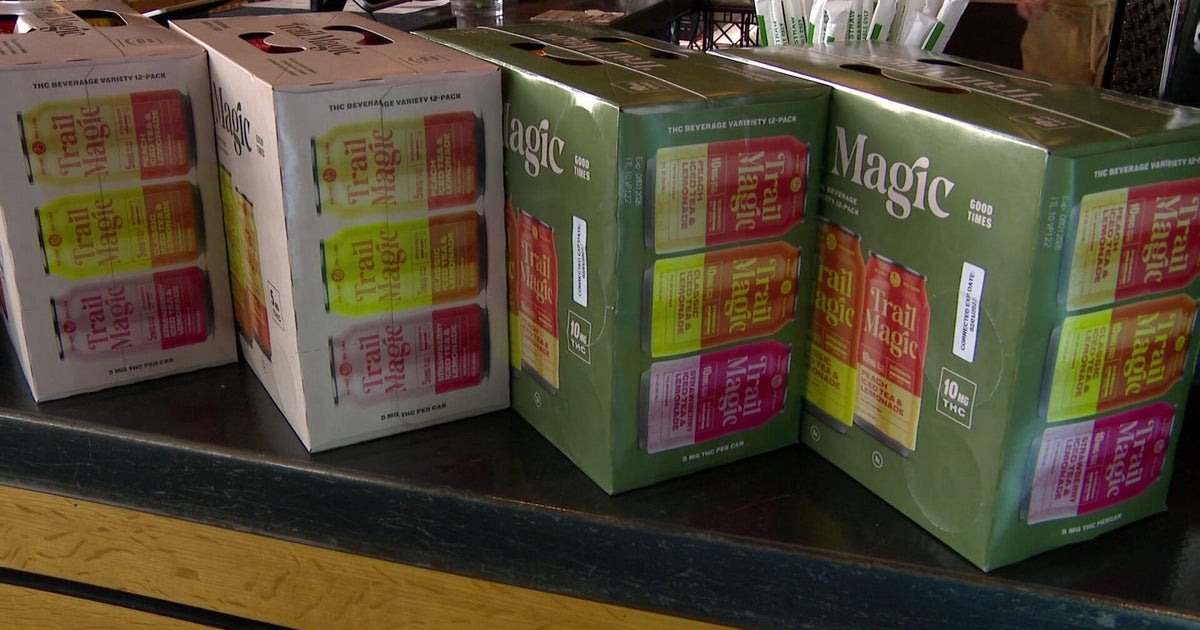
Since Minnesota moved to tax and regulate low‑dose edibles and beverages, a new manufacturing niche has blossomed across the Midwest. Breweries facing declining sales of traditional alcohol have pivoted to hemp‑infused drinks, creating jobs and generating tax revenue. Jason Dayton of the Minneapolis Cider Company, producer of the Trail Magic brand sold in 24 states, described the proposed delay as a lifeline for operators staring down potential ruin.
Key figures at a glance
- Current federal cap: 0.4 mg THC per container (enforced by the 2025 agriculture spending provision).
- Minnesota state standard: up to 5 mg THC per serving, capped at 10 mg per beverage.
- Economic impact: A federal ban would eliminate an estimated 95 % of the nationwide hemp consumer product market.
- Proposed legislative fix: The Hemp Safety Enforcement Act seeks to delay the ban and preserve state‑level regulatory authority.
Dayton noted that inclusion of the delay in the funding bill signals congressional interest in crafting a permanent regulatory framework: “After the 2025 spending package passed, a ban existed in federal law. Any movement toward an extension shows Congress intends to address the category more formally.”
International Precedents in Cannabis Regulation
The United States’ patchwork of federal prohibition and state legalization contrasts sharply with approaches in emerging markets. In Kenya and Nigeria, regulators view the American experience as a cautionary tale about jurisdictional friction. Meanwhile, nations such as South Africa and Zimbabwe are carefully opening export channels for industrial hemp and medicinal extracts, recognizing that clear, national standards are essential for attracting investment and securing supply chains.
Without a unified federal policy, businesses face uninsurable risk, complicating cross‑border trade and deterring long‑term investors. The Senate’s temporary delay functions as a tourniquet—providing time to liquidate inventory or adjust operations—but lasting stability will require a comprehensive federal framework that balances public health concerns with market realities.
For ongoing coverage of this developing story, see the original report: Here