

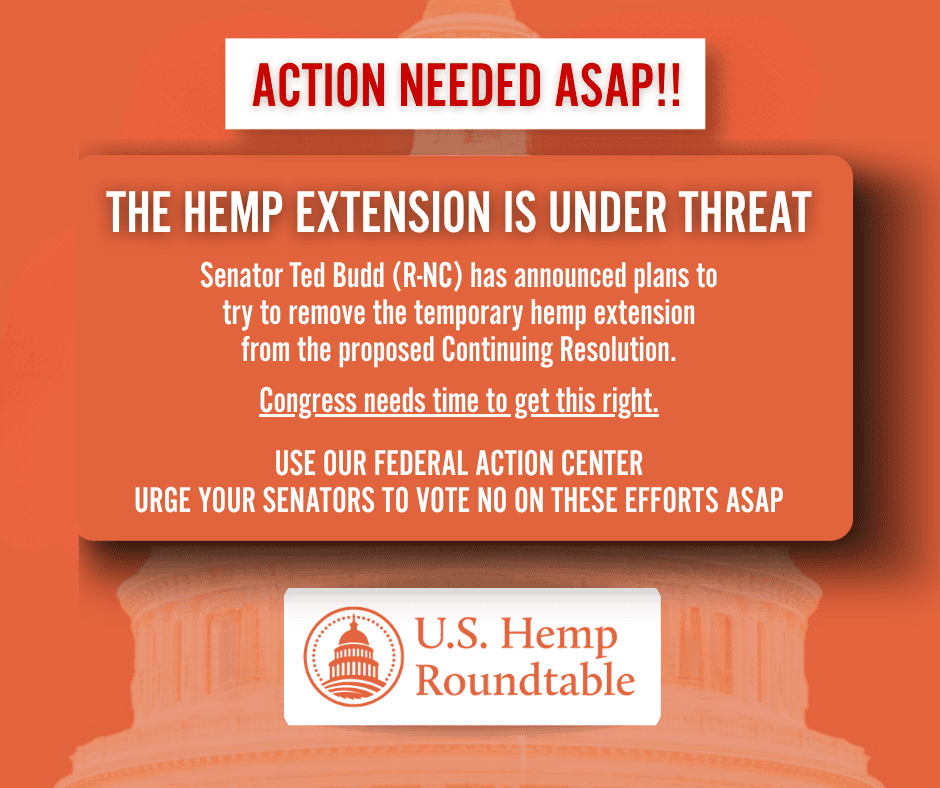
Why the Current Hemp Extension in the Continuing Resolution Matters
In late 2023 Congress passed a temporary provision within the Continuing Resolution (CR) that delays the nationwide federal hemp ban set to take effect on November 12, 2024. This extension does not create a permanent rule; instead, it buys lawmakers additional time to craft a comprehensive, science‑based hemp policy that balances farmer livelihoods, consumer safety, and public health concerns.
The Purpose of the Continuing Resolution Extension
The CR’s hemp extension serves three core functions:
- Provides a legislative window for Congress to finalize responsible hemp legislation.
- Shields American farmers, processors, retailers, and small businesses from abrupt market disruption.
- Allows time to develop enforceable safeguards that keep intoxicating hemp products out of the hands of minors while preserving lawful hemp‑derived goods.
According to the USDA’s 2023 Hemp Acreage Report, U.S. growers cultivated 54,152 acres of hemp, generating an estimated $824 million in farm‑gate value—a figure that could swing dramatically if a sudden ban forced producers to destroy crops or halt processing.
Industry Concerns About Youth Access
Stakeholders across the hemp sector uniformly oppose the marketing or sale of intoxicating hemp products to children. Industry groups have called for:
- Strict age‑verification requirements (minimum 21 years for psycho‑active cannabinoids).
- Child‑resistant, opaque packaging.
- Clear labeling that distinguishes non‑intoxicating CBD from THC‑rich products.
- Robust enforcement mechanisms against bad actors who skirt these rules.
The Congressional Research Service (CRS) noted in its 2022 hemp policy brief that without federal guidance, states have adopted a patchwork of rules, creating confusion for consumers and complicating law‑enforcement efforts. The CR extension gives Congress the opportunity to replace that patchwork with a uniform, evidence‑based framework.
What Senator Budd’s Amendment Would Do
Senator Ted Budd has announced plans to introduce an amendment to the Continuing Resolution that would strike the temporary hemp extension. If adopted, the amendment would:
- Remove the delay, allowing the sweeping federal hemp ban to commence on November 12, 2024.
- Eliminate the legislative buffer that lawmakers need to negotiate a lasting, bipartisan solution.
- Force farmers and businesses to comply with an outright prohibition before any regulatory safeguards for youth protection are in place.
Critics argue that such a move would replace a measured policy process with an abrupt prohibition, potentially driving legitimate hemp activity underground and leaving consumers without clear safety standards.
How You Can Help Protect the Hemp Extension
If you support a thoughtful, data‑driven approach to hemp regulation—one that safeguards youth while preserving lawful economic activity—consider taking the following steps:
- Contact your Senators. Call or email your U.S. Senators’ offices and urge them to vote “NO” on Senator Budd’s amendment or any similar effort to remove the hemp extension from the CR.
- Share accurate information. Forward reputable sources such as the USDA Hemp Acreage Report, CRS hemp policy briefs, and FDA statements on cannabinoid safety to friends, family, and community groups.
- Engage with industry coalitions. Organizations like the Hemp Industries Association and the National Hemp Association regularly publish action alerts and provide template messages for constituent outreach.
Your voice can help ensure that Congress uses the extension period to craft balanced legislation rather than resorting to an premature ban.
For more details on the current situation and how to take action, see the original announcement: Here