
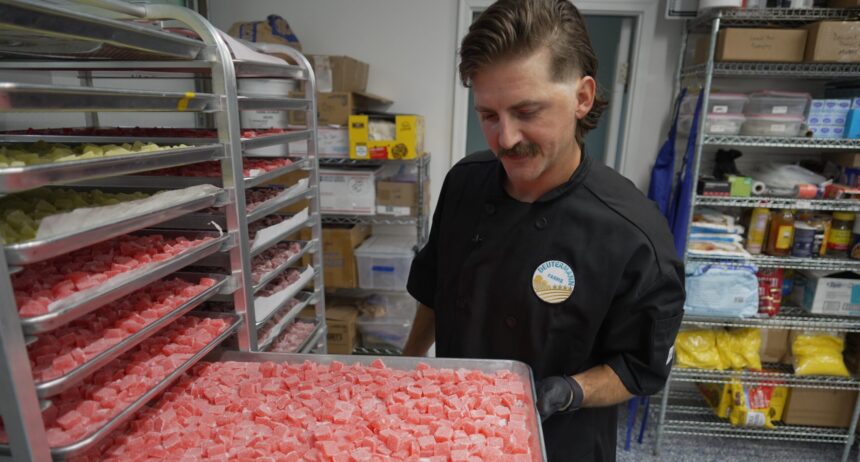
A tray of strawberry‑lemon gummies sits on Nicholas Hohns’s kitchen counter, a symbol of a booming hemp‑THC market that may vanish overnight. The gummies, infused with high‑potency THC, are made in a commercial kitchen outside Raleigh. Hohns says the business he built over four years could disappear if Congress enforces the new hemp THC ban.
Hemp‑THC Ban Threatens $28 Billion Industry
Congress voted to close a federal loophole that let hemp‑derived THC products stay under 0.3% delta‑9 THC while still delivering a high. The ban, set to limit THC to 0.4 mg per container, will not take effect until Dec. 11, giving lawmakers a year to craft regulations instead of an outright prohibition.
The loophole originated from the 2018 farm bill championed by Kentucky Senator Mitch McConnell, who argued industrial hemp would provide farmers a new cash crop. McConnell later inserted the THC cap into a spending bill that ended the longest government shutdown in history.
Whitney Economics predicts the ban will cut retail revenues by $28.3 billion, eliminate 225,000 jobs and reduce state sales‑tax revenue by $2.1 billion.
Industry leaders propose saving the market by restricting sales to adults 21 and older, capping THC per package and prohibiting imported cannabis compounds.
Hohns, who entered the hemp sector after losing his personal‑trainer job during the COVID‑19 pandemic, says he has only 18 months to two years to profit before the government shuts the door.
He has considered switching to non‑intoxicating products such as creatine gummies if the THC business is forced to end.
Alcohol retailers, including Total Wine & More, have rallied behind the hemp industry, citing rising cannabis seltzer sales that offset declining alcohol revenue.
The regulated legal‑marijuana sector, which views hemp THC as unfair competition, also backs the ban, arguing the loophole undermines a legitimate market.
Lobbyist Cory Harris warns that imposing heavy regulations after years of virtually no rules will “buzzkill” the industry, but notes that businesses built on a questionable legal loophole assumed that risk.
If states adopt legal in‑state hemp programs, some THC drinks could still be sold locally, preserving limited market space.
Hohns says he may have to abandon his gummy line, but he hopes Congress will find a compromise that keeps his livelihood alive.