

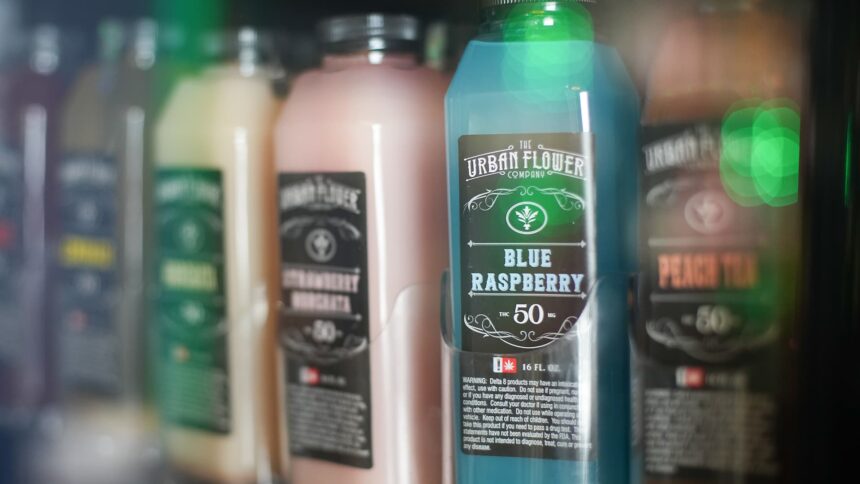
THC‑infused drinks topped $239 million in annual U.S. retail sales, a 135% jump, as Congress again postponed a federal crackdown on hemp‑derived products.
Congress delays ban on hemp‑derived THC drinks
Erica Fabian says THC beverages have become an alcohol alternative that transformed her household.
“It’s an actual game‑changer,” Fabian said. “I’ve seen it with my own eyes.”
Congress extended the deadline for new federal restrictions on hemp‑derived THC products from Nov. 12 to Dec. 11, buying the industry another month.
The House passed a stopgap spending bill that funds the government while pausing the ban, giving companies time to lobby for a regulatory framework instead of a prohibition.
NielsenIQ data shows THC beverages generated $239 million in the 52 weeks through April, up 135% from a year earlier, across more than 1,170 products from 200 brands.
Cann CEO Jake Bullock reports record retailer orders but warns that wholesalers are pulling back, fearing unsellable inventory if Congress bans the product.
“Our distributors should be buying more from us, but they’re not,” Bullock said.
Crescent Canna CEO Joe Gerrity revealed the firm has cut half its workforce this year due to congressional inaction.
“Nine months after passing a bill that would kill tens of thousands of small businesses, Congress has come together and done something tremendous — given themselves an additional month to solve a problem that they created,” Gerrity said. “I want to celebrate, but it shouldn’t take an army of lobbyists and tens of millions of dollars for Congress to protect small businesses from Congress,” he added.
Smaller brands face a potential supply‑chain squeeze as distributors demand take‑back clauses to reimburse financial losses from regulatory changes.
Bullock said Cann is building inventory in anticipation of continued demand, betting Congress will reach a regulatory agreement.
“If there is a responsible way to regulate it, I absolutely think that is the way to go,” Fabian said.
Bullock argues the industry seeks new rules similar to alcohol regulation, not a regulatory vacuum, noting Congress is “not worried” about drinks with lower‑milligram THC doses.
Rep. Andy Harris (R‑Md.) leads House Republicans pushing a ban, citing unregulated intoxicating hemp products and risks to children.
Congress also focuses on inhalable products, high‑potency candy, and items containing synthetic cannabinoids, arguing the lack of THC caps and testing heightens danger.
For now, retailers can keep selling and consumers can keep buying, but the looming debate creates uncertainty for distributors and manufacturers.