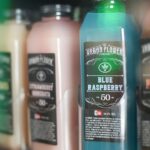

A last‑minute clause in the federal spending bill bans hemp‑derived CBD, THC drinks and other products, threatening to split Republican ranks and delay the vote that could end the government shutdown as early as Wednesday.
Hemp Ban Threatens GOP Support
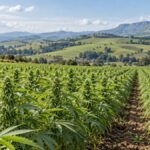
Kentucky produces more hemp than any other state, and Republican lawmakers there have long backed the industry, arguing it creates jobs and tax revenue.
The provision limits THC to 0.4 mg per container — effectively zero — because 95 % of hemp products exceed that threshold, according to industry advocate Jonathan Miller, former Kentucky treasurer.
“If the ban passes, it will criminalize virtually all hemp‑derived products, including CBD oils, THC‑flavored drinks and even trace‑THC CBD items,” Miller said.
Senator Rand Paul broke with the party on Monday, voting against the bill after the clause was added at the 11th hour, a move he said was “fast‑tracked” and impossible to amend.
Senators Mitch McConnell and Representative Andy Harris helped insert the language, while Kentucky GOP members James Comer, Thomas Massie and Andy Barr have publicly opposed the ban.
The rule would outlaw any product with more than 0.4 mg total THC, effectively eliminating delta‑8 THC, THCA and non‑intoxicating CBD with trace THC, Miller explained.
The legislation heads to the House on Wednesday, needing 218 votes; Republicans hold 219 seats, but three Kentucky representatives — James Comer, Thomas Massie and Andy Barr — have signaled they may vote no.
Massie called the tactics “detestable,” while industry leaders warn the ban will push the market into an unregulated arena.
“The bad actors won’t disappear; they’ll just operate without oversight, creating safety hazards like heavy metals, contaminants and underage access,” said Jammie Treadwell, CEO of Treadwell Farms.
Evan Eneman, CEO of Iconic Tonics, added that the “whiplash” around the provision is “destabilizing and unnecessary.”
Miller noted the ban does not take effect for a year, giving lawmakers time to craft science‑based regulations instead of an outright prohibition.
Cameron Clarke, CEO of Kanha, expects politicians will ultimately bow to consumer demand for hemp products.
“Politicians follow consumer preferences, not the other way around,” he said.