

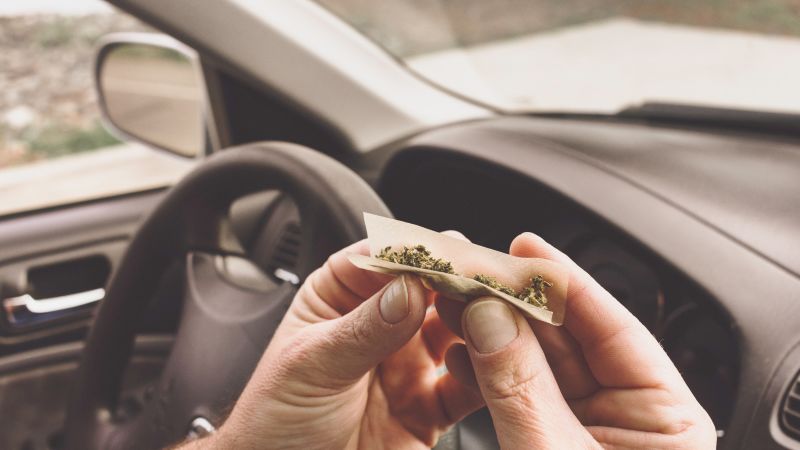
Marijuana-impaired drivers cause more severe crashes than drunk drivers in Canada, new research shows. Emergency‑room visits for cannabis‑related traffic injuries jumped 475% from 2010 to 2021, far outpacing the 9.4% rise in alcohol‑related crashes.
Key Findings
The study, published in JAMA Network Open, examined ER admissions after legalization in 2018 and found a 94% surge immediately after, followed by a 233% rise as products became widely available.
Doctors warn the true numbers are higher because cannabis impairment is under‑reported in crash data, said Dr. Marco Solmi, psychiatrist at the University of Ottawa.
Severity of Crashes
Nearly 90% of marijuana‑involved victims arrived by ambulance, compared with 40% when no alcohol or cannabis was present, and 50% required hospitalization versus just over 6% of non‑users.
Intensive‑care admissions occurred in 22% of THC‑positive crashes, versus less than 2% of other accidents, underscoring the severity of impairment.
Underlying Risks
“Cannabis reduces reaction time, narrows attention, and encourages risk‑taking, creating a ‘perfect storm’ for severe collisions, Dr. Myran explained in an email.”
Global Perspective
Co‑author Dr. Solmi warned that the perception of cannabis as harmless fuels risky behavior, especially among youth.
In the United States, where THC‑positive drivers rose 48% in a 2014 NHTSA report, marijuana is the most commonly detected drug after alcohol, according to a 2016 crash risk study.
Colorado, an early adopter of recreational legalization, reports that drivers assume everyone else is stoned, said clinical pharmacologist Robert Page II, noting that cannabis alters perception unlike alcohol.
Combining cannabis with alcohol magnifies impairment, while higher‑potency products increase risk, Myran added.
Public Health Response
Experts call for education and clear THC warnings modeled after tobacco, urging stricter public health measures.
No legal THC limit exists in the U.S., and Canada advises waiting at least six hours after use before driving, avoiding alcohol mixing.
More research, policy action, and public awareness are needed to curb the rising danger of marijuana‑impaired driving.