
A multibillion‑dollar hemp THC market teeters on the brink as Congress moves to close the loophole that has let low‑THC products flood stores nationwide. If the ban takes effect, thousands of jobs and billions in revenue could vanish overnight.
Sen. Mitch McConnell closed a loophole in the hemp law he championed
The 2018 farm bill, pushed by Kentucky Republican Mitch McConnell, defined hemp as containing less than 0.3% delta‑9 THC, a threshold that let manufacturers pack far more into drinks, gummies and vape oils. A short‑term funding bill signed by President Trump delayed the ban’s effective date from Nov. 12 to Dec. 11, giving lawmakers extra time to consider regulation instead of an outright prohibition.
An industry tries to save itself
Whitney Economics estimates the ban would erase $28.3 billion in revenue, eliminate 225,000 jobs and cut state tax receipts by $2.1 billion. Industry leaders propose restricting sales to adults 21+, capping THC per package and banning imported cannabis compounds to keep the market viable, with Zipperle warning, “If it goes through in December, this place is toast — it’s gone.”
Some consider other work
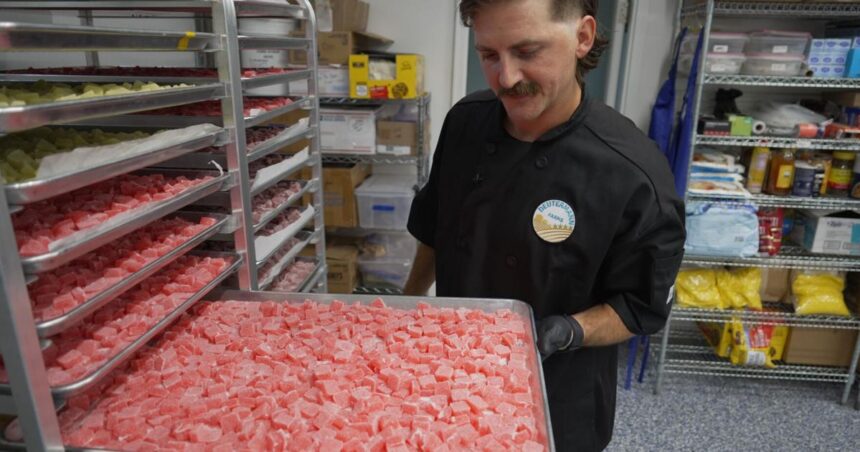
Nicholas Hohns, who left a personal‑training job during COVID‑19, built Deutermann Farms into a THC‑gummy operation that now outpaces state‑legal markets. He says, “It’s such a weird spot to be in… you worked 100 hours a week for the past four years and, yeah, you made some money. But now you might have nothing to show for it.” He warns the 0.4 mg per container cap would annihilate his business and has begun scouting creatine gummies as a backup.
Allies and opponents line up
Total Wine & More supports the hemp sector, saying cannabis seltzers have offset falling alcohol sales. Opponents, including Smart Approaches to Marijuana CEO Kevin Sabet, warn the products endanger users, while the legal cannabis industry calls the loophole unfair competition.