
Cannabis Use in the United States: A Shifting Landscape
Cannabis has moved from the margins of counterculture to a fixture in everyday American life. It appears in medicine cabinets, gym bags, nightstands, and kitchen drawers, serving a wide spectrum of consumers—from those managing chronic pain to occasional users who enjoy a low‑dose gummy once a month. This broadening of use reflects not only changing laws but also evolving attitudes toward the plant’s role in health, recreation, and wellness.
National Trends and Demographics
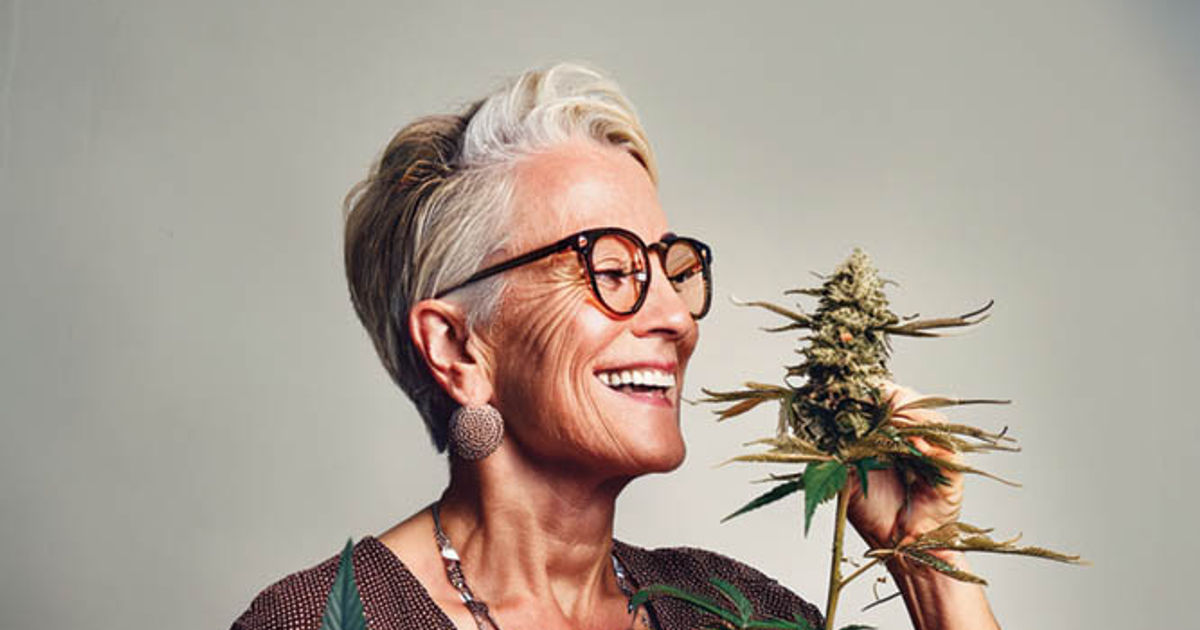
According to Gallup’s 2024 survey, roughly one in six U.S. adults reports regular cannabis use, with daily consumption climbing steadily over the past decade. Federal public‑health data from the Centers for Disease Control and Prevention (CDC) highlights especially sharp growth among adults aged 50 and older, a cohort that largely abstained during earlier waves of legalization. These figures illustrate that cannabis no longer aligns with a single age group, lifestyle, or identity.
Product Evolution and Potency
The legal market has transformed both access and product variety. Consumers can now browse dispensary menus or scroll online catalogs and choose from hundreds of formulations—flower, concentrates, edibles, tinctures, and topicals—without needing prior social guidance. Since the 1990s, average THC potency in flower has risen from roughly 4 % to over 15 % in many states, while concentrates often exceed 60 % THC. Edibles now come in multidose formats, and delayed onset (30 minutes to two hours) is common, which can catch inexperienced users off guard.
Public Health Observations
Hospitals in long‑established legal states such as Colorado and Washington have reported increases in cannabis‑related emergency visits, frequently linked to high‑dose edibles and misunderstanding of timing. A 2023 study published in JAMA Network Open noted that older adults disproportionately experience adverse effects when they underestimate potency or misjudge onset. These trends appear alongside rising overall use rather than in opposition to it, suggesting a scaling issue as more people encounter stronger products without uniform dosing education.
Language, Culture, and Nuanced Use
Conversations about cannabis often collapse into simplistic labels: heavy use equals excess, daily use signals dependence, and light use is deemed responsible. Such framing overlooks the reality that cannabis interacts differently across bodies, tolerances, and life stages. For many, it functions more like a food or medicine—requiring attentive dosing rather than abstinence. Patients managing conditions such as neuropathic pain or multiple sclerosis may rely on consistent, moderate intake, while others adjust use in response to stress, aging, or changing health goals.
Legalization granted broad access but did not automatically create a shared vocabulary for discussing long‑term patterns, tolerance shifts, or intermittent use. As a result, users frequently navigate these changes in private conversation. When a familiar product feels less effective, many sense a shift but lack a communal framework to discuss it without defaulting to judgment or stigma.
Looking Forward
The diversification of cannabis consumers mirrors the original intent of legalization: expanding access beyond a single scene or identity. This breadth brings both challenges and opportunities. Future progress will depend less on pulling everyone back into a uniform “weed culture” and more on fostering informed, compassionate dialogues about how cannabis fits into varied lives, bodies, and seasons. Clinicians, educators, and industry stakeholders can contribute by providing clear dosing guidance, highlighting product variability, and acknowledging that use patterns evolve over time.
By grounding discussions in data, clinical expertise, and respect for individual experience, the conversation around cannabis can move beyond panic or pride toward a nuanced understanding that supports both public health and personal autonomy.
View our archive on issuu.
Originally published in the February 2026 issue of All Magazines.
For the original source, see: Here