
Houston Hemp Lab: From a Chance Conversation to a Heights CBD Storefront
The origin story of the Houston Hemp Lab, a store specializing in CBD products in The Heights, begins with eavesdropping. Sophia Romo, then 23 and already running Erotic Cabaret Boutique in Montrose, overheard two bartenders discussing a CBD‑infused cocktail. The conversation sparked her interest in the hemp‑derived CBD oil business, even though she wasn’t sure how to enter the market.
By January, Romo teamed up with the bartenders—Ty Whitaker and Zack Sims, both 25—to draft a business plan for a shop that would sell only lab‑tested and certified CBD‑infused products containing no THC, the psychoactive component of cannabis. Four months later, on April 20, the Houston Hemp Lab opened its doors on West 19th Street. The shop’s aesthetic mimics a laboratory, complete with a skeleton wearing a lab coat stationed in the corner.
Origins and Founders
Romo serves as the owner and visionary behind the store. Whitaker handles operations and partnership development, while Sims contributes to product sourcing. Nic Williams, 23, works as a sales associate and helps customers navigate the expanding inventory. Their combined experience in nightlife, retail, and customer service has given the shop a practical edge in a nascent industry.
The founders emphasize transparency: every product on display comes with a certificate of analysis from an independent laboratory, confirming THC levels below the legal threshold of 0.3 percent and verifying cannabinoid potency.
Product Offerings and Business Model
Houston Hemp Lab’s shelves feature a wide range of items, including:
- CBD‑infused topical creams and oils
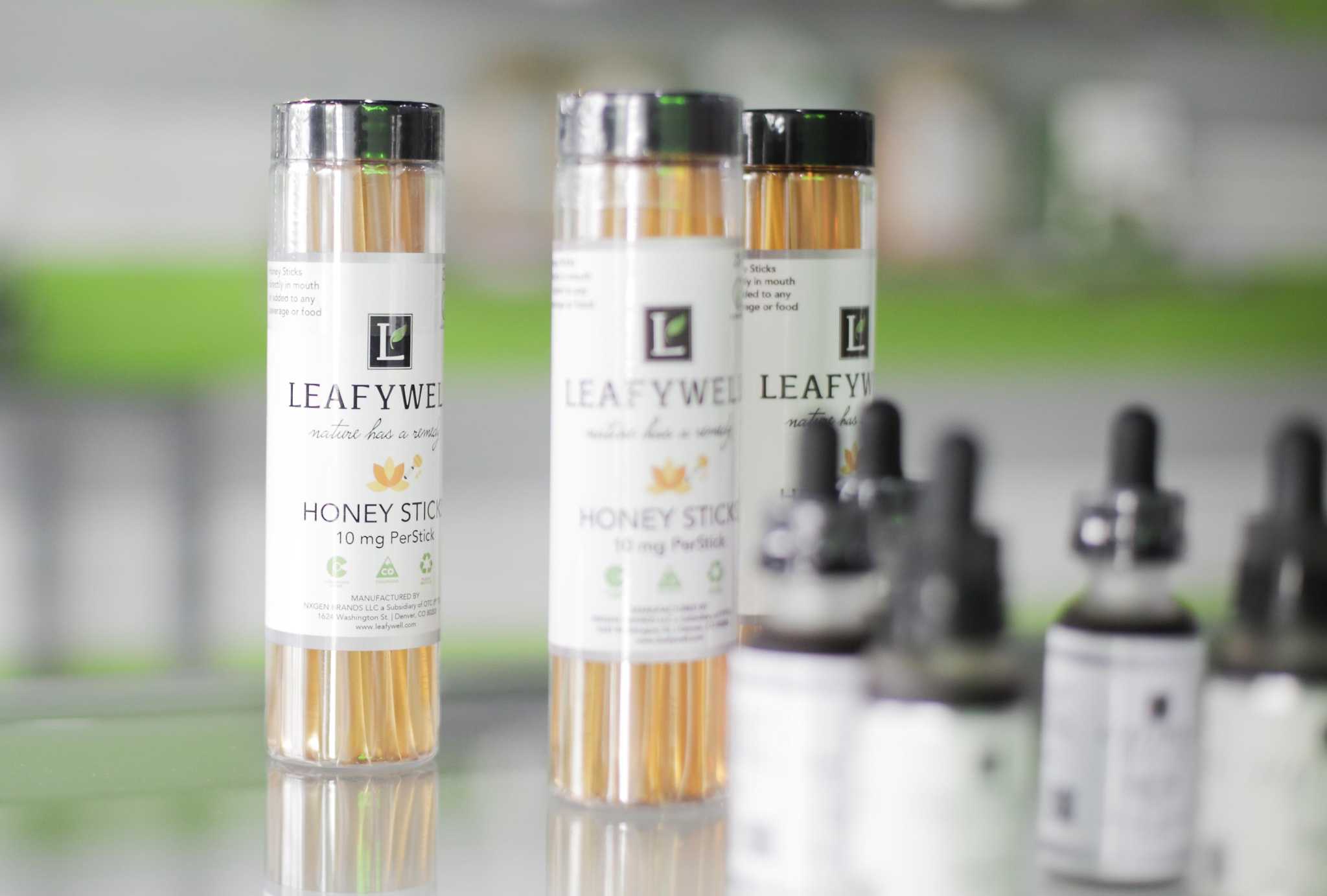
- Edibles such as gummies, hard candies, and beverages
- Pet treats formulated for joint support in dogs
- Non‑alcoholic mixers and wellness tonics
The store also carries products from national brands like SUNMED, which offers CBD gummies and hard candies available at the Your CBD Store location on FM 2920 in Spring. By partnering with reputable vendors nationwide, the owners aim to maintain consistent quality while building a diverse catalog that appeals to both newcomers and seasoned CBD users.
Legal Landscape in Texas
When the shop launched, the regulatory environment for CBD in Texas was still evolving. On June 10, 2019, Governor Greg Abbott signed House Bill 1325 into law, amending the Texas Agriculture Code to define hemp as:
“the plant Cannabis sativa L. and any part of that plant, including the seeds of the plant and all derivatives, extracts, cannabinoids, isomers, acids, salts and salts of isomers, whether growing or not, with a delta‑9 tetrahydrocannabinol (THC) concentration of not more than 0.3 percent on a dry weight basis.”
This legislation removed hemp‑derived CBD from the list of controlled substances, provided the THC content stays under the 0.3 percent limit. Luke Williams, a Fort‑Worth‑based criminal defense lawyer, noted that the bill allows law‑enforcement officers to inspect and collect a reasonable‑sized sample of plant material from a vehicle to test THC levels, but they may not seize the material or arrest the transporter unless probable cause exists for marijuana.
The law clarified a previously “Wild West” market, giving entrepreneurs like Romo and Whitaker a clearer framework for operation while protecting consumers from inadvertent felony‑level charges.
Health Claims and Expert Perspectives
CBD is frequently marketed for pain relief, anxiety reduction, depression management, and seizure control. Dr. Victor Sierpina, a specialist in family, holistic, and integrated medicine at the University of Texas Medical Branch, explains that CBD is non‑addictive and may serve as a safer alternative to opioids for pain management.
“In terms of pain medicines, this will be your least addicting process, compared to opiates and other types of narcotic medications,” Sierpina said.
He adds that while preliminary evidence suggests CBD could aid in addressing the opioid epidemic, more clinical research and product‑specific studies are needed to confirm efficacy and safety.
The Food and Drug Administration held a public hearing on May 31, 2019, to examine scientific data on cannabis‑derived compounds. FDA Commissioner Ned Sharpless acknowledged the growing interest in CBD but highlighted significant unknowns regarding long‑term safety, especially when CBD is added to foods, dietary supplements, and cosmetics. The agency accepted public comments through July 2, 2019, and indicated that any new regulations could take years to finalize.
Regulatory Outlook and Consumer Advice
For consumers navigating the CBD market, experts recommend:
- Verifying third‑party lab results that confirm THC potency below 0.3 percent.
- Checking product labels for clear dosing information and ingredient lists.
- Consulting a healthcare professional before using CBD for medical conditions, particularly if taking other medications.
- Staying informed about state‑level updates, as Texas continues to refine its hemp program.
Although the legal foundation is now in place, the broader conversation about CBD’s benefits and risks remains ongoing. Stores like Houston Hemp Lab illustrate how early‑stage entrepreneurs are adapting to a shifting regulatory landscape while striving to offer transparent, lab‑tested options to their communities.
For the original Houston Chronicle coverage, see Here.