
Wisconsin’s Hemp Heritage and a New Green Rush
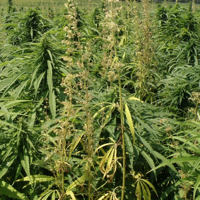
In the early 1900s Wisconsin was hailed as the nation’s premier producer of industrial hemp, a status that could soon be revived to meet today’s exploding demand for cannabidiol (CBD) products. Jesse Haver, manager of the Ki Shop, told the Sun Prairie Chamber of Commerce that the “green rush” is prompting farmers to reconsider the crop that once defined the state’s agricultural identity.
Early 20th‑Century Acreage
The first recorded hemp seed was planted in Wisconsin in 1908, and within a few years the state topped the list of U.S. hemp producers. Haver points out that this historic success set a foundation that modern growers hope to rebuild, especially as regulations have shifted to permit industrial hemp cultivation.
Decline and Legislative Shifts
The heyday faded after a heavy tax was imposed in the mid‑1930s and again when hemp and marijuana were bundled together as a Schedule 1 narcotic in the late 1970s, causing a steep drop in crop acreage. Haver notes that those policy changes created a multi‑decade hiatus that is now being reversed by updated federal and state legislation.
Industry Growth and Market Opportunities
Licensing Statistics from DATCP
According to the Wisconsin Department of Agriculture, Trade and Consumer Protection (DATCP), 247 grower licenses were issued in 2018, with 135 of those actually planting crops. Additionally, 100 processing licenses were granted, and 80 of those were active in 2018. The agency requires a license, a criminal background check, and adherence to specific guidelines for anyone wishing to grow or sell industrial hemp.
Economic Potential per Acre
Ralph Wilson, co‑owner of Ki Shop, cites research from the National Hemp Association suggesting that a well‑managed hemp field can generate up to $60,000 per acre—far outpacing many traditional row crops. He also emphasizes that hemp requires less water and fewer pesticides, making it an environmentally friendly option for struggling farmers.
Consumer Guidance and Product Quality
Understanding CBD Claims
Haver advises shoppers to scrutinize the source of each CBD item, asking who grew the plant, how it was processed, and whether third‑party “seed‑to‑shelf” testing is available. The FDA has issued warning letters since 2015, citing products that failed to contain the advertised levels of CBD. Such regulatory actions underscore the need for transparency and independent verification.
Scientific Backdrop
Harvard Medical School research indicates that CBD can reduce seizure frequency in children with certain epilepsy syndromes and shows promise in alleviating inflammation and neuropathic pain in animal studies. While these findings are encouraging, Haver stresses that larger clinical trials are still required before definitive medical conclusions can be drawn.
Environmental and Agricultural Benefits
Sustainability of Hemp Farming
Beyond its economic upside, hemp’s low environmental impact makes it attractive for diversified product lines. Wilson explains that the plant’s durable fibers can be transformed into building materials, textiles, and accessories with a smaller carbon footprint than conventional alternatives.
Conclusion
With supportive legislation, a growing consumer market, and clear evidence of both financial and ecological advantages, Wisconsin stands poised to reclaim its historic role as a leading hemp producer. Farmers, retailers, and investors alike are watching closely as the “green rush” gains momentum across the state.