
Hawaii’s new CBD regulations slash THC limits to near‑zero in drinks and tinctures, a move that threatens the survival of local hemp farms. Governor Josh Green approved the rules in November, citing child‑health concerns, while industry leaders warn the caps will eliminate profit margins and force farms out of business.
Regulatory Restrictions Cut Profit Margins
The Department of Health rules cap delta‑9 THC at 0.00028% in CBD beverages and effectively set tincture THC to zero, limiting gummies to five per package with 1 mg THC each and capping drinks at 0.5 mg THC. These limits remove the “full‑spectrum” effect that farmers say boosts energy, sleep and pain relief, and they raise production costs for the 70% of Hawaii farms that are small operations.
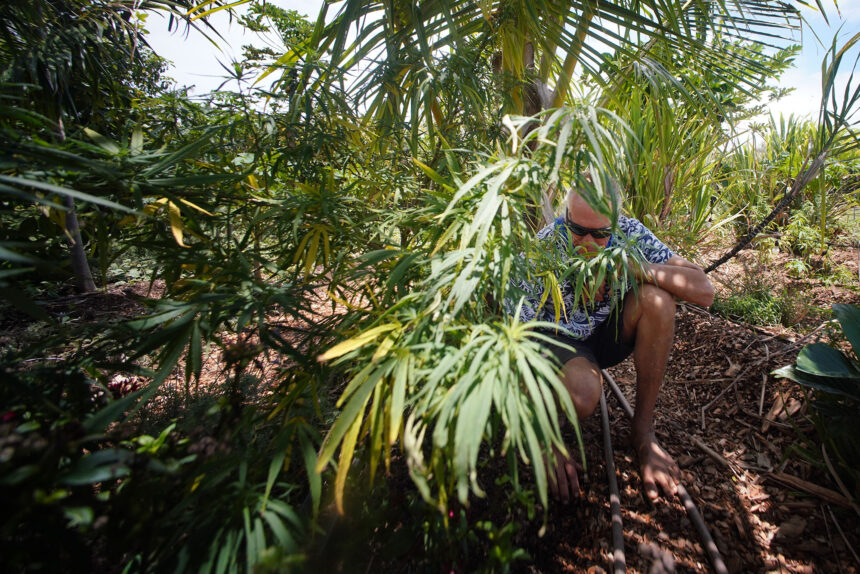
Clarence Baber of Hawaii Royal Hemp Co. said the near‑zero THC in tinctures “prop up the entire farm’s ability to produce food,” and warned the new caps make his business model untenable. He noted that high production costs and low consumer prices for food alone cannot cover expenses.
Judiah McRoberts of Kaua’i Hemp Co., which operates the state’s largest CBD processor, called the rules “economically impossible” to follow and said the company may abandon hemp products altogether. He warned that compliance would require costly equipment upgrades that local processors cannot afford.
Industry leaders project that if the rules remain, 95% of hemp farmers could quit by year‑end, ending the local hemp sector. The forecast threatens the viability of boutique, on‑farm processing that small farms rely on.
Industry Demands Legislative Fix
The Hawaii Hemp Task Force report, released in August, identifies 52,000 potential hemp uses and calls for a stable regulatory environment that preserves the federal 0.3% THC limit. It also urges the legislature to allow 30‑pack gummies, raise edible and beverage THC limits to 2.5 mg, and impose a 21‑plus age restriction.
State Sen. Tim Richards, deputy chair of the Agriculture and Environment Committee, said the rules are “a bit extreme” but emphasized that compromise legislation is possible. Richards said the compromise would balance industry concerns with public health objectives.
Rep. Dee Morikawa, who authored Act 263 and pushed for industry‑friendly reforms, said the sector has huge potential and that the new caps threaten that promise. Morikawa noted that the task force was formed to identify pathways for industry growth.
The Department of Health, represented by Kristen Wong, said it lacks authority to enforce an age gate and is working with the governor’s legislative package to add a 21+ restriction while protecting child health. Wong added that the agency will monitor compliance once the legislative package is enacted.
Market data show $54 million in CBD sales in 2020 and indicate that local farmers could capture 25% of that market if regulatory stability returns, according to the task force report. The $54 million figure reflects robust consumer demand despite regulatory uncertainty.
The state harvested about 14,000 pounds of industrial hemp in 2021, worth nearly $2 million, but only four state‑accredited processing facilities exist, limiting the ability to meet demand. With limited processing capacity, local producers struggle to scale operations quickly enough to meet market needs.