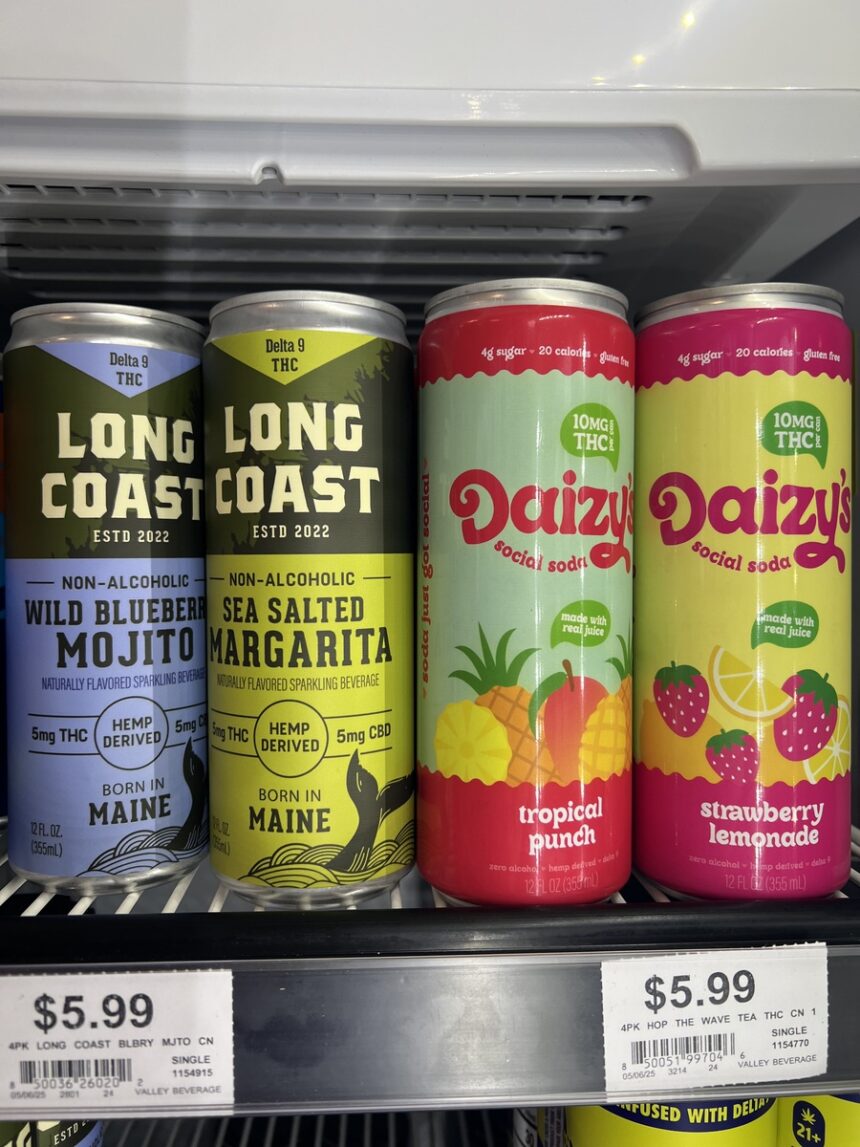
Maine’s craft brewing sector faces a sudden threat as federal regulators set to ban low‑THC hemp drinks on Dec. 11. The ban, targeting a 0.4 mg THC limit per container, could wipe out sales for Maine retailers and cost the state tax revenue.
Maine’s Hemp Drink Launch
Kai Adams, co‑founder of Sebago Brewing Company, launched Mystic Cove in February 2025 after hearing demand for THC‑infused beverages from customers and retailers. He leveraged a new high‑speed canning line and a team of brewers versed in ingredient quality to bring the brand to market.
Mystic Cove debuted with four 5 mg flavors, including a blueberry lemon that reflects Maine’s local produce, and enforces a service policy that limits one drink for alcohol consumers and two for non‑drinkers. Every batch undergoes full‑spectrum lab testing and potency checks before shipping, ensuring label accuracy.
The first buyer was nearly 70 years old. A former server who no longer drinks said it gave her a bar experience she hadn’t felt in years.
Regulatory Fight
Although hemp drinks represent a small slice of Sebago’s revenue, the two new products have energized distributors and spurred new contract brewing work, supporting the 225 Maine employees who depend on the company. The surge in demand demonstrates how niche products can revitalize a flat beer market.
Federal law will prohibit these drinks on Dec. 11, effectively banning them through the 0.4 mg THC cap, a restriction Adams says most customers do not anticipate. Without clear regulation, retailers will lose sales, customers will shift elsewhere, and the state will forfeit potential tax revenue.
Adams and the Hemp Beverage Alliance argue that the products should be regulated like beer, with age verification, clear labeling, fair taxation and distribution through existing alcohol channels. Such a framework would let brewers use their equipment safely while keeping the market open.
Readers who value adult choice can pressure Congress by visiting hempbeveragealliance.org/action-center and submitting a brief statement supporting regulated sales before Dec. 11. A single sentence can amplify the industry’s voice and protect both Maine’s economy and consumer access.