
Adrian Bruneau, a former Marine aviator, turned to CBD gummies to end years of insomnia after trauma, and now leads a coalition fighting a federal hemp ban that could erase thousands of businesses.
What’s the difference between hemp and marijuana?
Botanically they are the same plant; marijuana has high THC, while hemp is limited to 0.3 % THC by dry weight.
Congress legalized hemp farming in the 2018 farm bill, creating a multibillion‑dollar market for CBD‑infused foods, drinks and cosmetics.
What conditions are CBD and THC used for?
People use CBD for sleep, stress and arthritis, while THC‑containing edibles serve as alcohol alternatives and help with chronic pain, epilepsy and other conditions.
Full‑spectrum products, which contain trace THC and all cannabinoids, are considered more effective for pain and inflammation, though they remain non‑intoxicating at low doses.
The December 11 ban prohibits any hemp product with more than 0.4 mg THC per container, effectively outlawing thousands of gummies, tinctures, salves and beverages; it classifies these items as Schedule I narcotics, a move critics say threatens hundreds of thousands of jobs and billions in revenue.
Sen. Rand Paul called the rule ‘the most thoughtless, ignorant proposal to an industry that I’ve seen in a long, long time,’ while co‑founder Ronan Kennedy of cbdMD warns of massive economic loss.
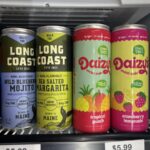
Marie La France of Louie Louie hemp seltzers argues that safety regulations can be imposed without a total plant ban.
Bipartisan lawmakers, including Sen. Paul and Sen. Amy Klobuchar, have introduced bills to let states opt out, and extensions of the deadline are possible.
Consumers should check product labels; if total THC exceeds 0.4 mg per container, the item will be removed from the market once the ban takes effect.
Those living in states with licensed marijuana dispensaries can still purchase THC products there, while residents of states with their own hemp programs may find alternatives at licensed retailers or online.
Industry leaders warn that the ban could disrupt wellness routines for veterans, first responders and seniors, and call for smarter regulation rather than outright prohibition.