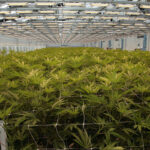

President Donald Trump delayed a federal crackdown on hemp‑derived THC, pushing the effective date to Dec. 11, 2026, while Texas’ ban on most hemp‑derived THC products remains in force. The delay gives Congress extra time to craft regulations.
Texas judge denies emergency request to block THC ban
A federal judge in Galveston rejected an emergency request from two hemp retailers and a distributor on Sept. 6, refusing to pause Texas’ ban on most hemp‑derived THC products. Judge Jeffrey Brown said the plaintiffs failed to prove irreparable harm, leaving their bid for a preliminary injunction pending.
Why did Texas ban most hemp‑derived THC products?
The Texas Supreme Court ruled in May 2026 that delta‑8, delta‑10, THCP and similar compounds are Schedule I substances when they contain more than trace amounts. The decision allowed the Texas Department of State Health Services to reinstate 2021 definitions that bring most hemp‑derived THC products back under state controlled‑substance rules, effective July 31.
What’s banned?
Texas bans possession and sale of synthetically derived hemp THC variants, including: More than trace amounts. The ban covers a range of synthetic THC forms that exceed the 0.3% limit.
- Delta-8 THC
- Delta-10 THC
- THCP
- THCA flower
- Other synthetic hemp-derived THC variants
What’s still legal?
Products containing delta‑9 THC remain legal if they stay at or below 0.3% by dry weight, the federal hemp definition from the 2018 Farm Bill. Qualifying items include delta‑9 gummies, beverages, tinctures, and the currently available smokable delta‑9 hemp flower, pending a separate court challenge.
What are the penalties?
Possessing banned THC products can be charged as a state jail felony, carrying up to two years in prison and $10,000 in fines. Retailers risk heavy fines, loss of hemp licenses and criminal prosecution.
What are delta-8 and THCa?
Delta‑8 and THCa are chemically similar to delta‑9 THC but differ in the position of a double bond; delta‑8’s bond sits on the eighth carbon, delta‑9’s on the ninth. Both produce intoxicating effects comparable to marijuana.
How to get a medical marijuana prescription in Texas
Texas’ Compassionate Use Program allows qualified physicians to prescribe low‑THC cannabis, limited to 0.5% THC, for oral use only. The product cannot be smoked and is limited to oils, tinctures or capsules. Doctors enter prescriptions directly into a state registry.