
Virginia Moves Toward a Legal Cannabis Retail Marketplace
MANASSAS, Va. (WDBJ) – Trent Woloveck was looking ahead and looking forward to a retail marketplace for cannabis when we first met in January.
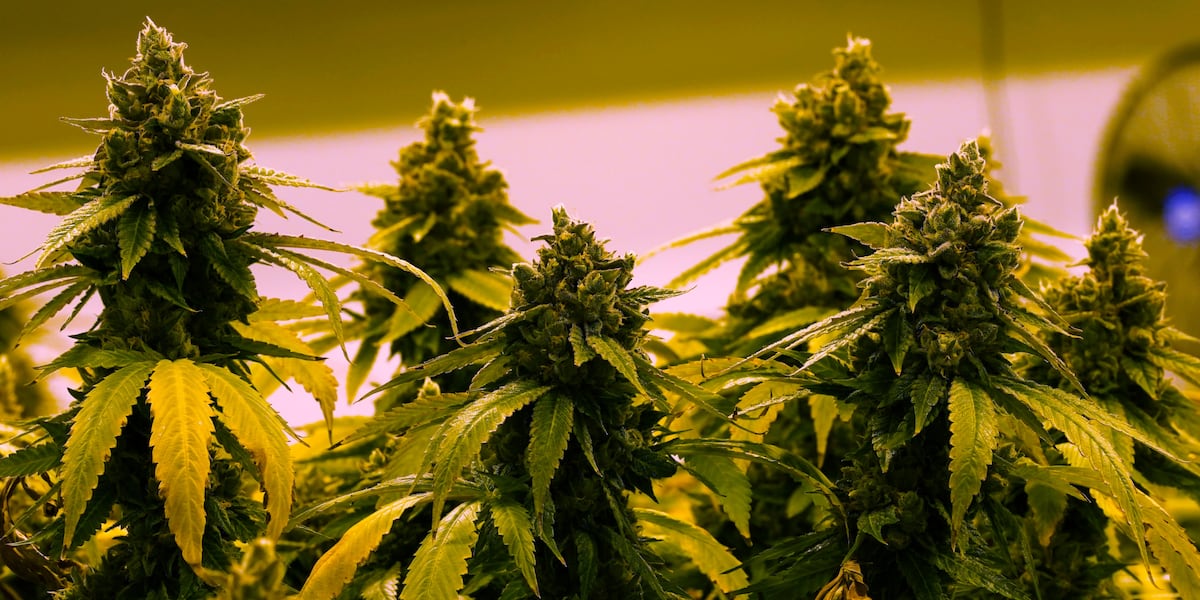
Inside Jushi Holdings’ Grow Facility
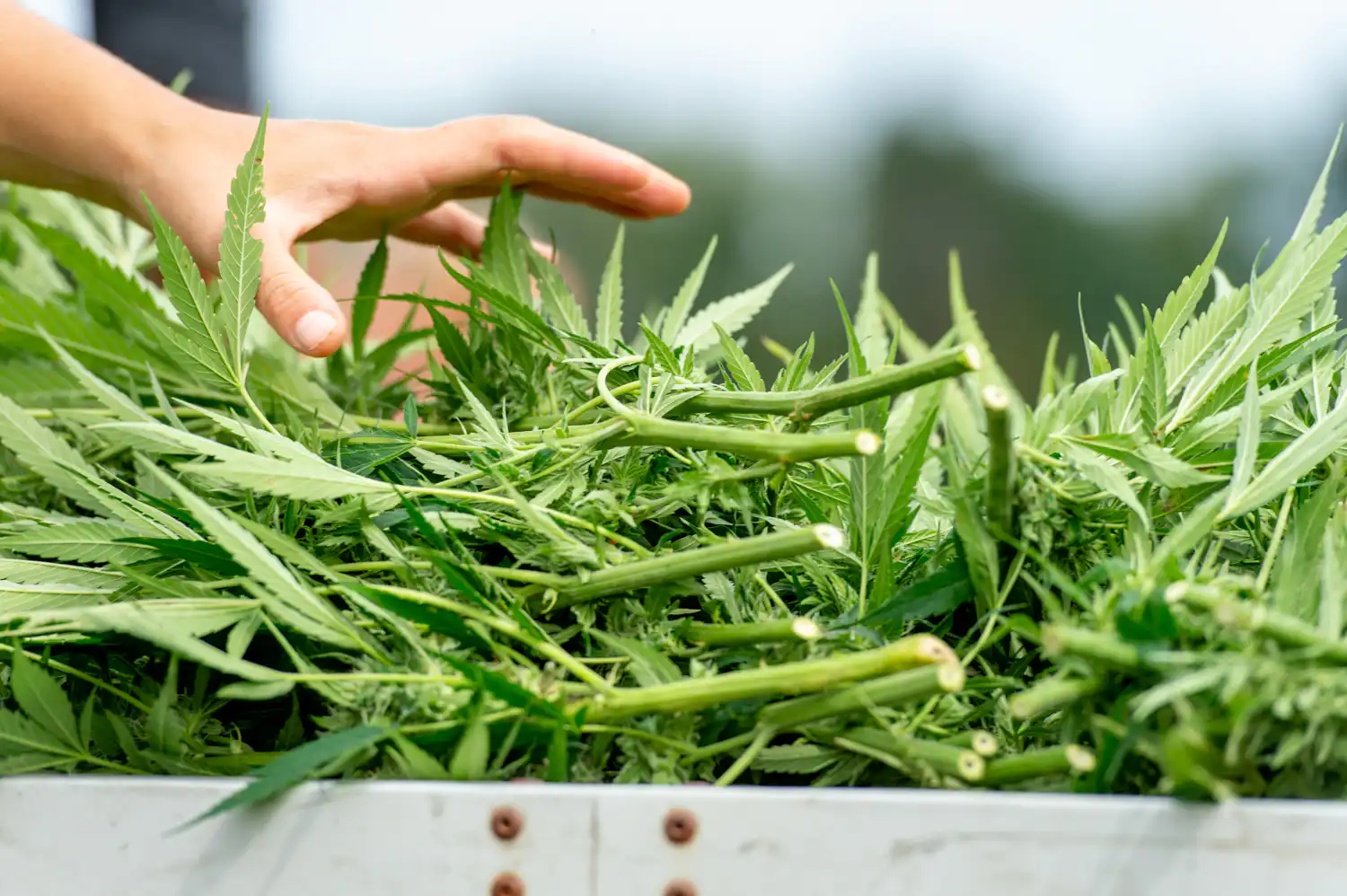
The Chief Strategy Director for Jushi Holdings, Woloveck led us on a tour of a 100,000 square foot, two-story grow facility in northern Virginia.
That’s where the company cultivates cannabis and creates a variety of products for the medical market.
“There’s a lot of science, a lot of math, a lot of planning that goes into that from a business perspective,” Woloveck told WDBJ7. “It doesn’t just happen overnight with a snap of the fingers, you buy a machine and you produce more stuff.”
The facility demonstrates the scale of investment required to meet both medical and anticipated recreational demand in Virginia.
Legislative Hurdles and Governor’s Stance
The Commonwealth decriminalized marijuana in 2020 and legalized recreational use of small amounts a year later, but the state failed to create a way for Virginians to purchase cannabis legally.
And for a while it appeared that gray area wasn’t going away, when a disagreement between Gov. Abigail Spanberger and Senate Democrats led to a veto of legislation that would create an adult-use retail marketplace..
“So, I have always maintained that Virginia needs to move forward with creating a retail market,” Spanberger said in a recent interview.
Spanberger told WDBJ7’s Kate Capodanno she initially vetoed the legislation, because she thought it needed stronger provisions for public safety, public health and consumer protection.
“And ultimately, we landed in a place where I feel that we are, you know, making good decisions for Virginia, learning certainly from the successes and, you know, in some cases failures, in some cases kind of suboptimal choices of other states,” Spanberger said.
Spanberger’s concerns mirror those raised by public‑health officials in states that have launched recreational markets, emphasizing the need for robust tracking and youth‑access prevention.
Public Health Perspectives
Prevention experts, including Roanoke’s Nancy Hans, remain wary, especially when it comes to the impact of a legal marketplace on marijuana use among young people.
“And I have to look from a prevention and education piece, because this is not the same type of THC that was even 10 years ago, especially not 20 and 30 years ago,” Hans said.
Hans points to the increased potency of modern cannabis extracts, which can contain THC levels exceeding 80 % in some vape cartridges, underscoring the need for stringent labeling and dosing standards.
Industry Advocacy for Regulation
But advocates of responsible marijuana use say a regulated marketplace is better than the current alternative that includes very little oversight.
JM Pedini is the Development Director of the National Organization for the Reform of Marijuana Laws, and Executive Director of NORML’s Virginia Chapter.
“It takes marijuana out of the corner store, out of the vape shop, and instead puts it into only state licensed dispensaries where it can be properly regulated both for consumer safety and to prevent youth access,” Pedini said.
Pedini notes that states with licensed dispensaries have seen reductions in illicit market sales and improved product safety testing.
Financial Commitments and Market Projections
Medical marijuana operators will pay a $10 million fee to convert to the retail marketplace.
Woloveck said Jushi will continue to serve customers of its medical dispensaries. And the company is planning a major expansion for the retail market that should double production.
“We’re continuing to expand not only in our current build‑out, but making a $30 to $50 million investment in the back of that property, as well as, you know, looking at a second site so that we can continue to produce the biomass necessary to service what we believe is somewhere between a $2 to $4 billion market in Virginia over the next 12 to 24 months,” Woloveck said.
Analysts from the Cannabis Industry Association project that Virginia could capture roughly 5 % of the Southeast legal cannabis market by 2029 if licensing proceeds on schedule.
Regulatory Development and Timeline
With a rollout like this, the devil is often in the details.
The Cannabis Control Cannabis developing regulations that will govern these new operations.
The CCA is soliciting feedback from the public,Control Authority is now developing regulations that will govern these new operations.
The CCA is soliciting feedback from the public, and an online survey is open until Tuesday, July 21.
The state will license up to 350 retailers across the state, a figure similar to the number of ABC stores in Virginia. That’s another hurdle the CCA must clear, before the new retail marketplace goes live on July 1, 2027.
The CCA’s draft rules include mandatory third‑party testing, child‑resistant packaging, and limits on THC potency for edibles, aiming to address the concerns raised by prevention experts.