
The 1930s Crossroads: Cannabis, Jazz, and a Missed Opportunity
In the early twentieth century cannabis was a familiar presence in American medicine cabinets. Pharmacists sold tinctures and extracts for ailments ranging from toothaches to insomnia, and most users experienced only mild therapeutic effects rather than intoxication. As the decade progressed, two cultural streams began to intertwine with the plant: Mexican migrant workers who brought the practice of smoking cannabis, and the growing African‑American jazz scene that embraced the herb as a relaxant and creative spark.
At the same time, federal narcotics policy was being shaped by a single figure whose actions would steer the nation down a very different path.
Harry Anslinger and the Birth of “Marihuana”
Harry J. Anslinger became the first commissioner of the Federal Bureau of Narcotics in 1930. With the end of alcohol prohibition looming in 1933, Anslinger sought a new target to justify his agency’s existence. He latched onto cannabis, employing a racially charged narrative that linked the drug to violence, insanity, and moral decay.
Anslinger’s public statements reveal the prejudice driving his campaign. One frequently quoted line reads: “Reefer makes darkies think they’re as good as white men.” He also claimed that “Marijuana is the most violence‑causing drug in the history of mankind…Most marijuana smokers are Negroes, Hispanics, Filipinos and entertainers. Their satanic music, jazz and swing, result from marijuana usage.” These remarks were not isolated opinions; they helped shape the language and legislation that followed.
To distance the plant from its accepted medicinal image, Anslinger advocated a new name—“marihuana,” a Spanish‑derived term that sounded foreign and threatening. The 1937 Marihuana Tax Act effectively criminalized cannabis, imposing heavy taxes and reporting requirements that made legal distribution nearly impossible.
Jazz, the “Gage,” and a Different Cultural Narrative
Before Anslinger’s crusade, cannabis was known among musicians simply as “the gage.” The term appeared in song lyrics, club conversations, and even in the personal reflections of artists who viewed the herb as a source of inspiration and relief.
Consider the lyrics from Sidney Bechet’s “Viper Mad”:
Wrap your chops round this stick of tea
Blow this gage and get high with me
Good tea is my weakness, I know it’s bad
It sends me, gate, and I can’t wait, I’m viper mad
Stuff Smith and his Onyx Club Boys sang similarly:
Where’s the man with the gage?
There is a man from way up town
Who will take away your blues
And any time the man comes round we like to spread the news
These verses portray cannabis not as a menace but as a companion to creativity, a way to “lengthen time” and foster open thinking during improvisational sessions.
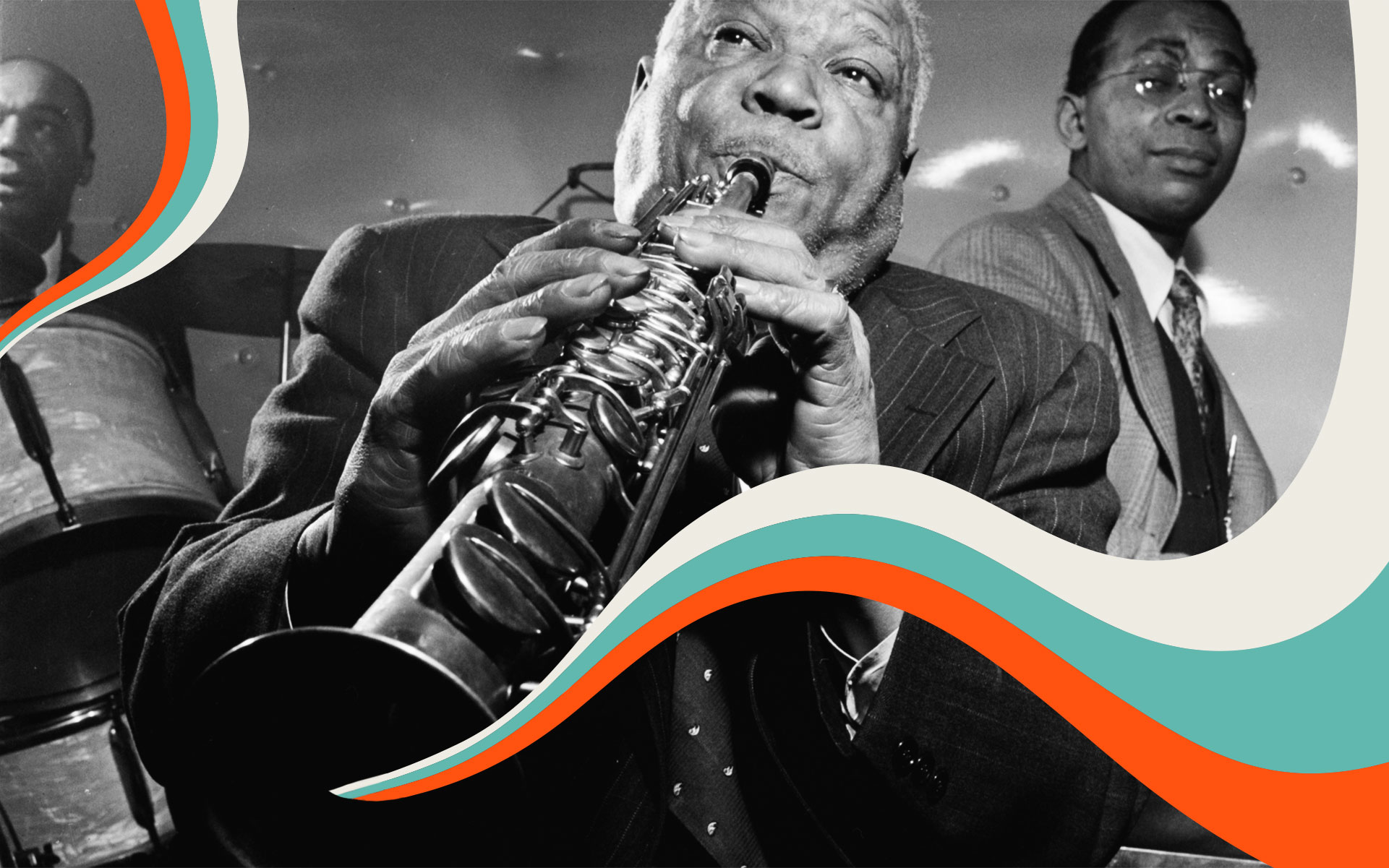
Louis Armstrong, often called the father of jazz, offered a candid perspective on the plant’s personal impact:
It makes you feel good, man. It relaxes you, makes you forget all the bad things that happen to a Negro. It makes you feel wanted, and when you are with another tea smoker it makes you feel a special sense of kinship.
Armstrong later lamented the legal risks that eventually forced him to step away from the habit, noting how penalties escalated from a misdemeanor to serious jail time.
The Legacy of a Renamed Plant
Anslinger’s successful rebranding left a lasting imprint. The term “marijuana” became entrenched in federal law, public perception, and popular culture, while the historic nickname “the gage” faded from mainstream usage. The ensuing war on drugs disproportionately affected Black and brown communities, a disparity that persists in arrest rates and sentencing today.
Modern efforts to create social equity within the legal cannabis industry have struggled to overcome the deep‑rooted stigma attached to the word “marijuana.” Advocates argue that revisiting language—such as reviving “the gage” or simply using the botanical term “cannabis”—can help shift perceptions, particularly in corporate settings where decision‑makers may still associate the older term with negative stereotypes.
Although changing a single word will not erase decades of policy harm, linguistic shifts can spark conversation and encourage a more nuanced understanding of the plant’s cultural roots.
Looking Forward: Lessons from a Missed Path
Had the cultural pendulum swung toward acceptance rather than repression in the 1930s, cannabis might have followed a trajectory similar to alcohol after prohibition—regulated, taxed, and integrated into everyday life with far fewer criminal consequences. Instead, the nation inherited a legacy of racial bias, punitive enforcement, and a terminology that reflects a prejudiced agenda rather than the plant’s rich heritage.
Recognizing this history is essential for anyone involved in policy, business, or advocacy today. By acknowledging the origins of the term “marijuana” and honoring the contributions of jazz musicians and other early cannabis enthusiasts, we can work toward a more equitable and informed future.
For a deeper dive into the story of how cannabis got its name, see the original Leafly article: Here.