

Wisconsin Governor Urges Delay of Federal Hemp Ban to Protect Jobs
March 3, 2026, 4:25 p.m. CT
Governor Tony Evers is calling on Wisconsin’s congressional delegation to postpone the upcoming federal hemp restriction for two years. In a letter shared publicly on March 3, he argued that a longer timeline is essential to safeguard roughly 3,500 jobs and $700 million in economic activity tied to the state’s hemp sector.
Background on the Federal Hemp Provision
The restriction originated from a provision tucked into a November 2025 funding bill that ended a government shutdown. It caps the total THC content in any hemp product at 0.4 milligrams per container, a limit that will take effect on November 12, 2026. Industry advocates say the change is far stricter than the existing 0.3 percent delta‑9 THC threshold and would render many current products non‑compliant.
Economic Impact Cited by Governor Evers
Evers’ letter notes that the state hosts 470 federally licensed hemp growers, describing them as the backbone of Wisconsin’s agricultural economy. He warns that without a delayed implementation date, farmers and small businesses would face abrupt disruptions, making responsible planting decisions difficult and jeopardizing family livelihoods.
State Legislative Stalemate
Efforts at the state level to craft a regulatory framework have stalled. Both Republican and Democratic lawmakers introduced bills aimed at preserving the hemp industry and establishing safety standards, but none passed during the recent session. State Representative Christine Sinicki (D‑Milwaukee) attributed the impasse to lobbying from the alcohol industry and disagreements over a proposal by Representative Rob Swearingen (R‑Rhinelander) to treat hemp like alcohol through a three‑tier licensing system.
Testing Reveals Safety Concerns
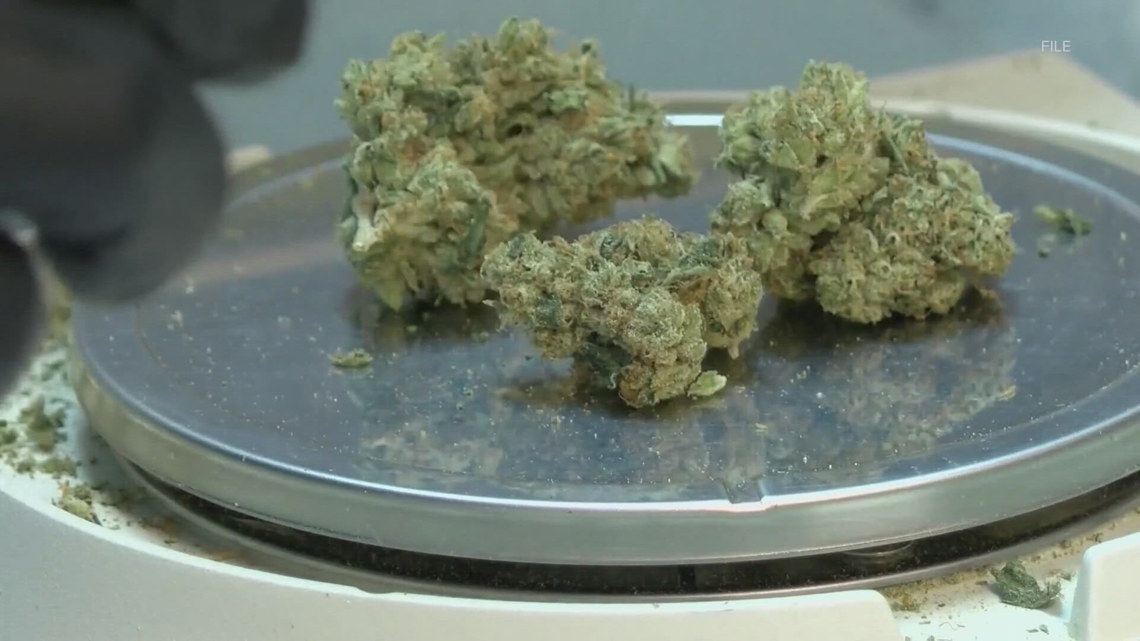
An investigation by the Milwaukee Journal Sentinel underscores the need for oversight. The newspaper bought 30 hemp products from retailers across Milwaukee and submitted them to an independent laboratory. Eighteen of the samples exceeded the federal THC limit, while others tested positive for mold, pesticides, and a carcinogenic compound used in paint stripper. These findings highlight the potential health risks posed by the current unregulated market.
Industry Response and Coalition Efforts
John Kashou, owner of Kind Oasis and founder of the Wisconsin Coalition for Cannabis Reform, said the pending federal rule would cripple online sales—a vital channel for many members of the coalition. Approximately 70 Wisconsin businesses have joined the group to advocate for commonsense regulations that ensure product safety while preserving market access. Kashou expressed optimism that reasoned policy will eventually prevail, despite the current frustration and uncertainty felt by stakeholders.
Outlook
With the November 2026 deadline approaching, Governor Evers urges federal lawmakers to consider a two‑year extension to allow time for adjustment. He emphasizes that such a delay would provide the certainty needed for farmers, manufacturers, and retailers to adapt without triggering widespread economic harm. As the debate continues, the call for balanced, evidence‑based regulation remains central to protecting both public health and Wisconsin’s hemp‑related livelihoods.
For more details, see the original report Here.