
House Passes 2026 Farm Bill with Hemp Provisions but Leaves THC Ban Intact
The U.S. House of Representatives approved H.R.7567, the Farm, Food, and National Security Act of 2026, by a vote of 224‑200 on Tuesday. The legislation, commonly referred to as the 2026 Farm Bill, contains several measures aimed at easing regulatory requirements for producers of industrial hemp. However, the bill does not include any language to postpone or modify the federal recriminalization of hemp‑derived THC products that is scheduled to take effect later this year.
Key Hemp‑Related Amendments That Did Not Advance
During consideration of the Farm Bill, bipartisan lawmakers filed amendments designed to regulate hemp THC products and to delay the impending ban. The sponsors of those amendments later withdrew the proposals for reasons that have not been disclosed. A separate amendment that sought to accelerate the recriminalization process was also introduced, but the House Rules Committee prevented it from reaching the floor for a vote.
Regulatory Changes for Industrial Hemp
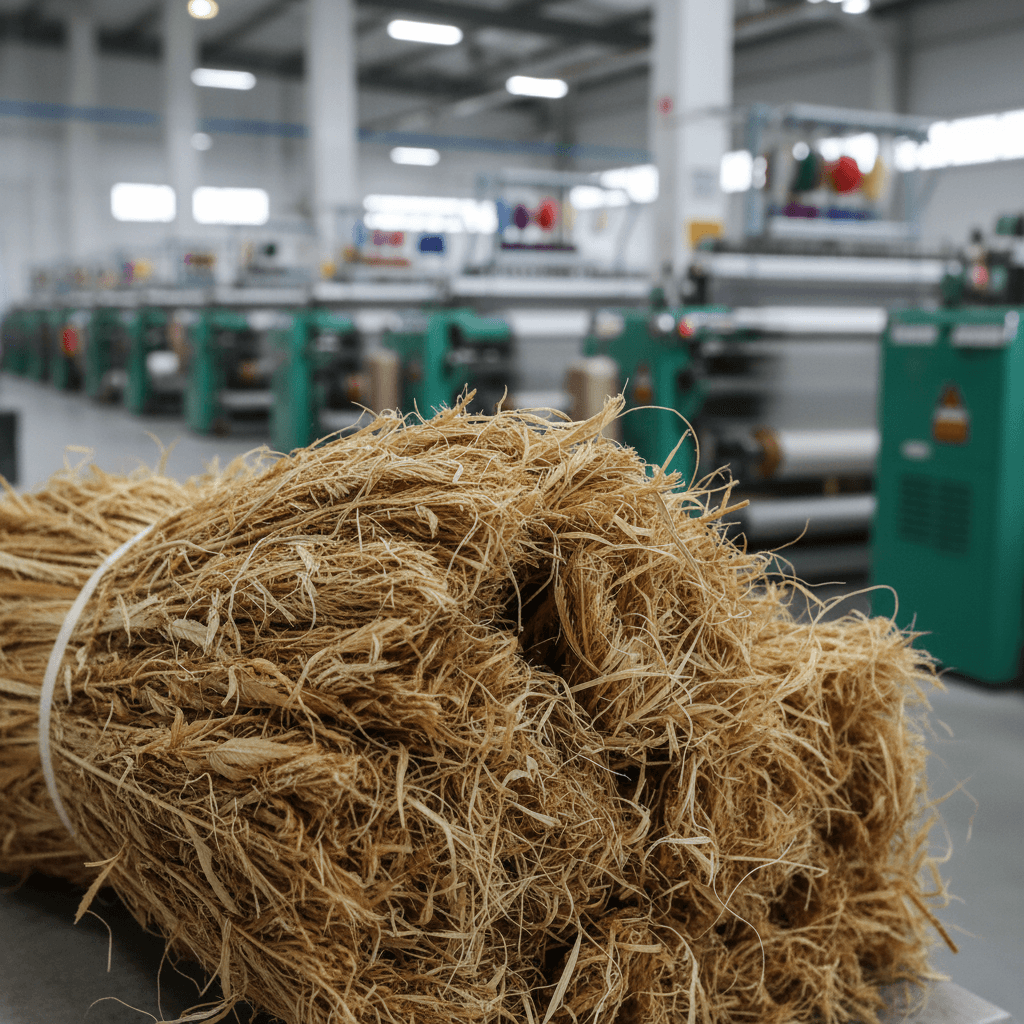
The bill does retain a number of provisions that affect how states and tribes oversee hemp grown for fiber, grain, and other non‑cannabinoid uses. According to a summary provided by House Agriculture Committee staff, the legislation amends sections of the Agricultural Marketing Act of 1946 as follows:
- State and tribal hemp plans must require producers to declare the type of hemp production they intend to undertake.
- Plans may incorporate visual inspections, performance‑based sampling, certified seed, or comparable methods when creating sampling protocols.
- States and tribes are allowed to eliminate the 10‑year period of ineligibility that follows a felony conviction related to a controlled substance for hemp producers.
- Inspectors must obtain documentation that demonstrates a clear intent to produce industrial hemp; if such documentation is missing, testing may be required.
- If a producer’s crop is inconsistent with the declared hemp type, the state or tribe must report the violation to the Attorney General and relevant law‑enforcement officials, and the producer may be barred from obtaining a hemp license for five years.
- The Secretary of Agriculture is tasked with establishing a process to issue certificates of accreditation to laboratories that test hemp.
The committee report emphasizes that the bill “recognizes the continued Congressional support for the industrial hemp industry” and maintains the statutory distinction between industrial hemp and final‑form hemp‑derived cannabinoid products that was established in the Agriculture, Rural Development, Food and Drug Administration, and Related Agencies Appropriations Act, 2026.
THC Ban Still Set for November
Under the 2018 Farm Bill, hemp containing less than 0.3 % delta‑9 THC on a dry‑weight basis was federally legal. Late last year, former President Donald Trump signed legislation that redefines hemp so that only products with 0.4 milligrams of total THC per container will remain legal after November 12, 2026. The House‑passed Farm Bill does not alter this deadline, meaning that full‑spectrum CBD and other hemp‑derived THC products could face federal recriminalization unless the Senate or another legislative vehicle intervenes.
White House Engagement and Legislative Activity
White House officials have weighed in on the ongoing debate. Last week, Vince Haley, director of the White House Domestic Policy Council, and James Braid, assistant to the president for legislative affairs, sent policy suggestions to Representative Andy Barr (R‑KY), who has been leading efforts to craft a regulatory framework for hemp. In their correspondence, the officials referenced an executive order signed by Trump in December that sought to protect Americans’ access to CBD products while urging Congress to address the statutory definition of final hemp‑derived cannabinoid products.
The White House also noted that it is prepared to provide draft legislative text and technical assistance to help lawmakers craft language that would allow continued access to full‑spectrum CBD while preserving the intent to restrict products deemed to pose serious health risks. The administration’s proposed legislative attachment has not been made public, and neither the White House nor Representative Barr’s office responded to requests for further details.
Separately, Senator Rand Paul (R‑KY), Senator Amy Klobuchar (D‑MN), and Senator Joni Ernst (R‑IA) introduced the Hemp Safety Enforcement Act, which would permit states to opt out of the federal recriminalization of hemp THC products slated for later this year. Ernst subsequently withdrew her co‑sponsorship, though her office did not clarify the reason for the move.
Market Impact and Industry Outlook
Despite regulatory uncertainty, the hemp sector continues to expand. A U.S. Department of Agriculture report released this month indicates that American farmers cultivated hemp crops valued at approximately three‑quarters of a billion dollars in 2025—a 64 % increase over the previous year. This growth underscores the economic importance of hemp for fiber, grain, and emerging cannabinoid markets.
In related developments, the Centers for Medicare & Medicaid Services (CMS) has launched an initiative that will cover up to $500 worth of hemp‑derived products annually for eligible Medicare beneficiaries, focusing primarily on CBD but permitting a limited amount of THC in covered items. The policy has faced legal challenges from anti‑marijuana organizations, with lawyers for Health and Human Services Secretary Robert F. Kennedy Jr. and CMS Director Mehmet Oz filing a brief seeking dismissal of the lawsuit.
Major retailers are also testing the waters. Target, for example, expanded a pilot program that began in 2024 with THC‑infused beverages in ten Minnesota stores. After receiving favorable feedback, the company secured licenses to sell lower‑potency hemp edibles—including THC drinks—in all 72 of its Minnesota locations.
For ongoing coverage of cannabis, psychedelics, and drug‑policy legislation at the state and federal levels, see Marijuana Moment’s bill tracker.

Source: Here