

Gandaki Province Approves Medical Cannabis Farming Bill Amid Federal Tensions
Legislative Journey and Provincial Authority
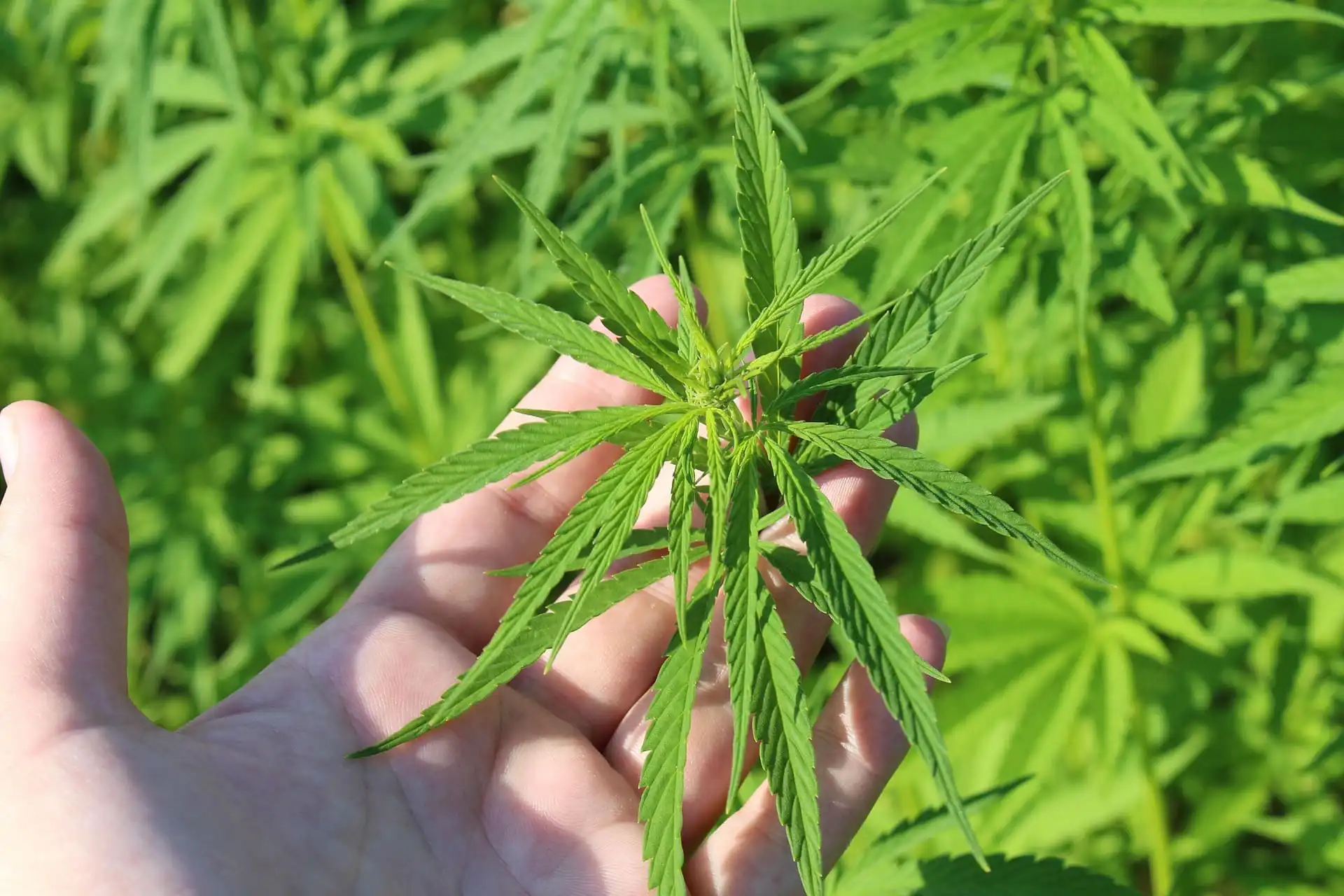
The Gandaki provincial government in Nepal enacted a medical cannabis farming legalization measure, creating a legal framework to regulate marijuana cultivation for medicinal and industrial use, with the stated aims of promoting lawful utilization, increasing farmers’ incomes, and encouraging investment in medicinal and industrial processing. Aspiring medical cannabis farmers in Gandaki must first obtain official approval from the provincial authority before starting cultivation operations.
The Gandaki Province Assembly passed the production bill unanimously roughly a month ago, but Province Chief Dilli Raj Bhatta returned the measure to the Assembly, citing concerns that parts of it may contradict Nepal’s federal laws. It was reportedly the first time in the province’s history that a province chief had returned a measure to the Assembly for reconsideration. The Assembly then passed the bill a second time without amendments, and Bhatta authenticated it this week.
Federal Legal Landscape and Risks
Cannabis farming remains prohibited at the federal level in Nepal. Possession carries a potential one-month jail term, and distribution is punishable by up to 10 years in prison depending on the amount involved. Nepal’s federal government retains the ability to intervene and prevent the provincial measure from full implementation.
Economic Rationale and Expert Views
In June, Rastriya Swatantra Party MP Parasmani Gelal called on Nepal’s government to modernize its cannabis laws. Gelal stated: “Marijuana should not be seen only as a narcotic substance and intoxication. It can also be used as a raw material for medicine, clothing, paper, oil, bioplastics, and construction materials. Many countries around the world, including the USA, Canada, Australia, France, Germany, China, and India, are building economies worth billions through scientific and systematic management.”
Nepal’s agricultural sector employs roughly two-thirds of the population and generates around one-third of the country’s GDP, according to economy.com estimates. Nepal’s nominal GDP ranks 99th globally among all world economies.
Contextual Visuals and Sources
Frontpage photo:
© Atomazul | Dreamstime
Source: internationalcbc.com
Publication date:
Mon 10 Aug 2026