
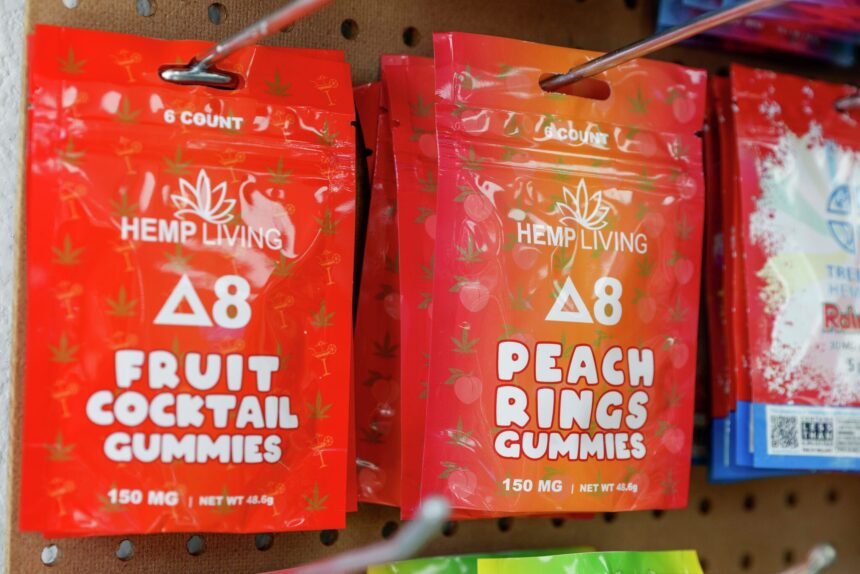
A Texas District Court judge in Austin ruled that enforcement of new hemp regulations can continue, jeopardizing a $5 billion industry. The decision keeps the crackdown on delta‑8 products alive while a lawsuit proceeds.
State’s hemp rules remain in effect
Judge Maya Guerra Gamble denied a temporary restraining order sought by a San Antonio company and three others, saying the plaintiffs had not shown the order was warranted. She said the record did not demonstrate a likelihood of success on the merits.
The firms — Dallas‑based SS Distro USA LLC, San Antonio’s Topps Distro, My City Hemp and Rio Grande Valley cultivator Trevor Kocaoglan — argued the state’s “trace amounts” definition was vague and created market chaos. They said the lack of a clear definition has led to seizures and law‑enforcement referrals.
During an August 28 emergency hearing, attorney David Sergi warned that without a precise definition, enforcement has been applied arbitrarily. The hearing highlighted the confusion among retailers about how the term would be applied.
Gamble rejected the request, noting the order would affect only the plaintiffs and their products. The ruling underscores the court’s reluctance to halt enforcement pending a full trial.
The lawsuit follows March’s new rules that tightened delta‑9 THC testing and classified concentrated delta‑8 THC as a Schedule I substance, effectively removing many products from legal sale. The changes effectively bar products with higher delta‑9 THC levels and place concentrated delta‑8 in a prohibited category.
Those measures stem from 2019’s House Bill 1325, which allowed hemp containing ≤0.3% delta‑9 THC, prompting retailers to market intoxicating products as legal. Lawmakers intended the bill to keep hemp products non‑intoxicating, a goal the state says the new rules protect.
State regulators countered that the new measurements and scheduling exceed the law’s original intent. Regulators argue the expansion goes beyond statutory limits and lacks proper rulemaking.
The judge warned that granting the restraining order could overextend her authority, citing prior Texas Supreme Court decisions that have already addressed similar regulatory questions. She cited prior Texas Supreme Court rulings and agency statements.
Retailers fear intensified inspections and possible criminal referrals for items that were legal before the rule changes. Industry groups warn that aggressive policing could chill sales and lead to costly litigation.
The case remains pending, with the existing rules staying in force while the litigation proceeds. The department of State Health Services will continue to enforce the rules until the court issues a final decision.